



Customization

Low Volume

Fast Delivery
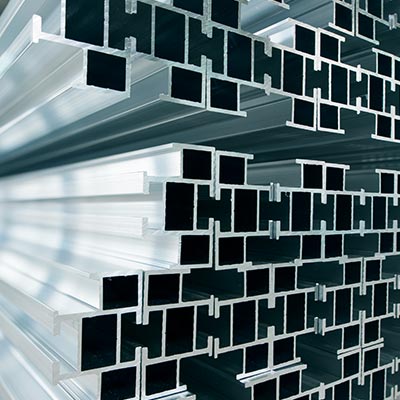
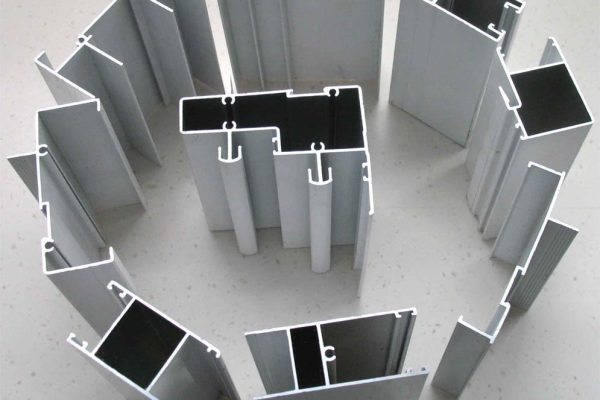
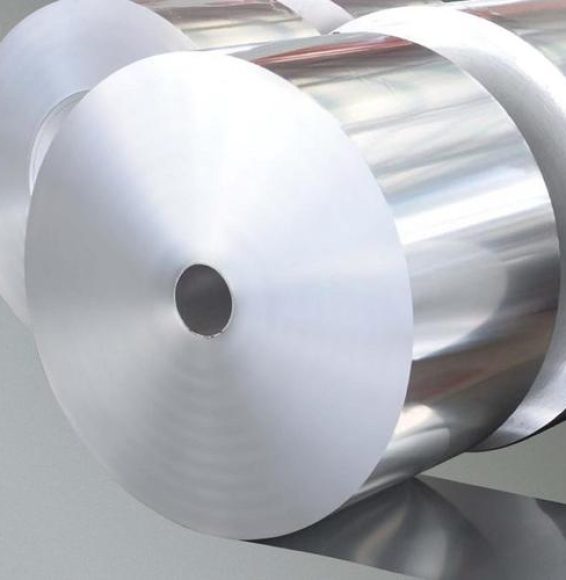
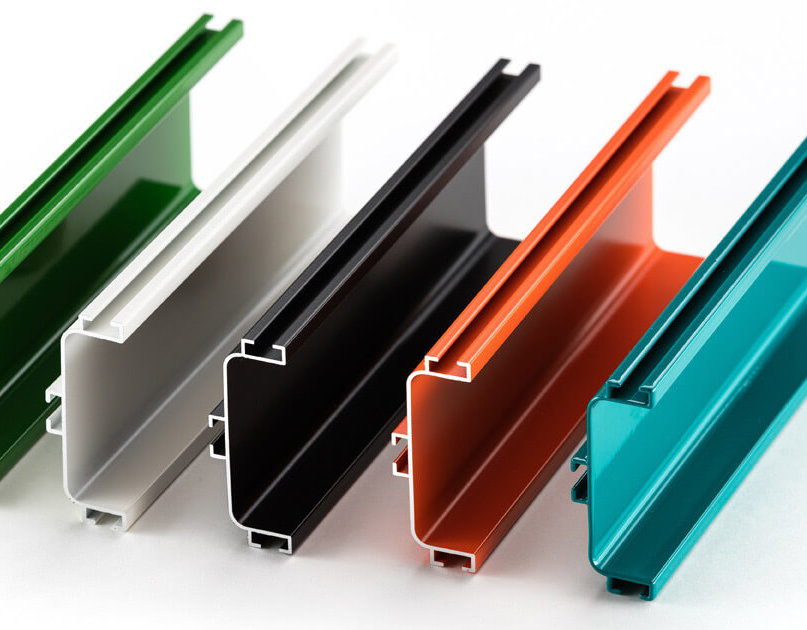
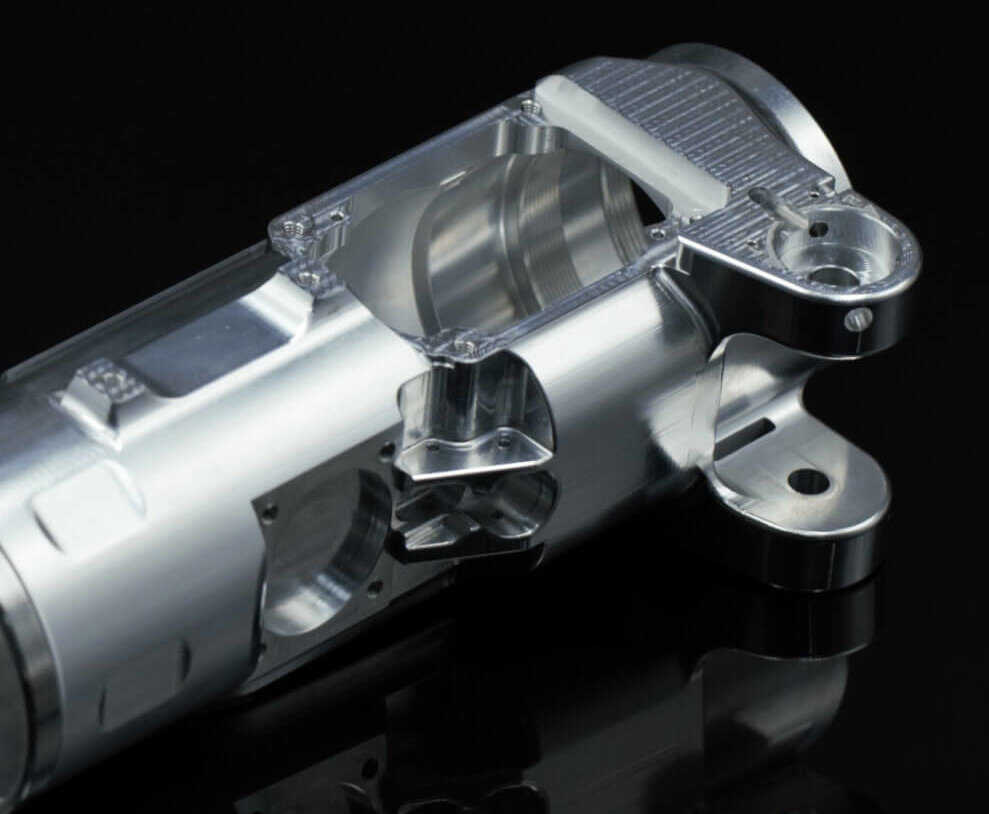
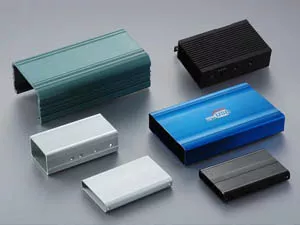
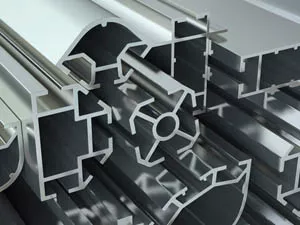
We offer custom aluminum extrusion profiles combined with CNC milling, turning, and bending for end-to-end part manufacturing.
No high MOQs here. OYA is the top choice for lower volume extrusions. Need a one-off prototype or just a few hundred units? We've got you covered.
Avoid the lengthy wait of 30+ days for extrusion mold and profile manufacturing. At OYA, we deliver results in half the industry-standard time, or even quicker.
Gensun specializes in extruding a wide range of standard and custom profiles. Our capabilities include:
To inquire about our services, discuss the manufacturability of your design, or request a quote, please contact us. We are eager to assist you.
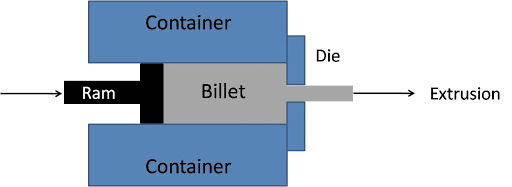
Aluminum extrusion is a process that shapes aluminum material by forcing it through a shaped opening in a die. The result is an elongated piece with a continuous cross-sectional profile, which can be intricate and complex. To simplify the concept, imagine how pasta shapes or Play-Doh are made. Dough is fed into a chamber, pressure is applied, and strands are squeezed out of a small hole, with the attachment determining the cross-section of the strands, such as tagliatelle or penne.
However, aluminum billets are not as malleable as pasta dough, so the extrusion process requires significant force, often through hydraulic pressure, and sometimes involves the application of heat.
Aluminum extrusion can be performed through two methods: hot extrusion and cold extrusion. Each method offers unique advantages. Hot extrusion allows for high volumes of aluminum to be quickly fed into the die at lower pressure. In contrast, cold extrusion produces mechanically robust parts with excellent surface finish and oxidation resistance.
For hot extrusion, aluminum billets are first cut to size and then heated to a temperature of 300 °C to 600 °C. This temperature renders the metal malleable without melting it. The heated billets are then forced into the die by a hydraulic ram, applying immense pressure of around 10,000,000 pounds. The extrusions are subsequently cooled on a cooling table and cut into desired lengths as per customer specifications. Heat treatment can also be employed to enhance the aluminum's hardness.
Custom aluminum extrusion profiles can be tailored to any desired 2D cross-sectional shape. However, there are also standard aluminum extrusion profiles that are widely used and suitable for a variety of projects. These include extruded aluminum bars and extruded aluminum channels, which come in various forms and sizes.
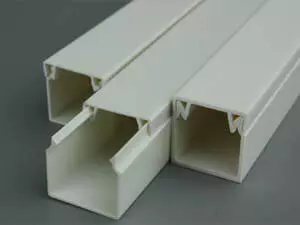
Standard profiles include:
Circular tube
Profiles also come in standard sizes and series. These include:
We specialize in low-volume manufacturing. If you require a small to medium-size order, other companies may not accommodate your needs.
Our most commonly used alloys are 6061 and 6063, which contain high levels of magnesium and silicone. Both are highly corrosion resistant.
You may specify a different aluminum alloy, and we will review the feasibility when providing you with a quotation.
We have a selection of trusted extrusion partners who fulfill our orders, but OYA will do post-machining and check the parts before shipment.