Additive Manufacturing - 3D Printing Services
Plastic & metal printing on demand - Global delivery as fast as 3 days
Additive Manufacturing - 3D Printing Services
Plastic & metal printing on demand - Global delivery as fast as 3 days
Advantages of 3D Printing
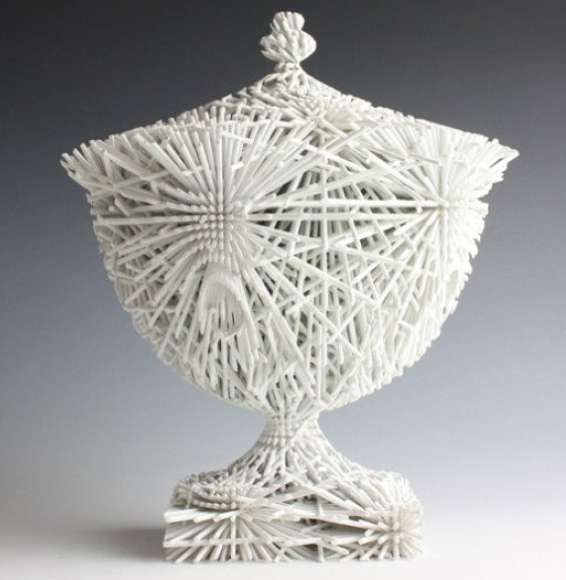
Due to its ability to utilize only the necessary material and eliminate the need for tooling, 3D printing emerges as a highly cost-effective manufacturing method for producing one-off parts or small batch productions.
Robust 3D printers fabricate components by depositing layers of material under the precise control of a computer-controlled nozzle. This advanced technology enables the production of intricate shapes, including intricate interior geometries.
Upon completion of the part design using CAD software, the 3D printing process allows for rapid production within a few hours, eliminating the need for time-consuming setup procedures.
As 3D printed parts do not rely on tooling, the production process carries lower risk. In the event of a defect being identified post-printing, it can be digitally rectified without the need to replace costly tooling.
While 3D printers do require power to function, they typically generate minimal material waste. In contrast, subtractive processes such as machining result in the production of excess material waste.
Rapid Prototyping 3D Printing,
SLA and SLS
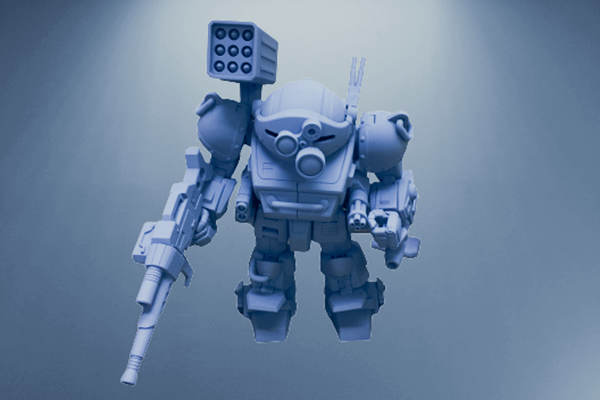
OYA Rapid is a leading expert in rapid prototyping based in China. We leverage the latest digital technologies for model making and offer rapid 3D printing services worldwide. Our dedicated team of highly-experienced professionals excels in the 3D printing, SLA, and SLS processes, ensuring we can meet even the most demanding requirements.
We are committed to delivering exceptional quality and meeting specified lead times to the highest standards, all at affordable prices. With our expertise in rapid prototyping, SLA and SLS, and 3D printing, we welcome any challenge in model making from our valued customers. Trust OYA Rapid for reliable and efficient prototyping services.
Rapid 3D Printing Prototype
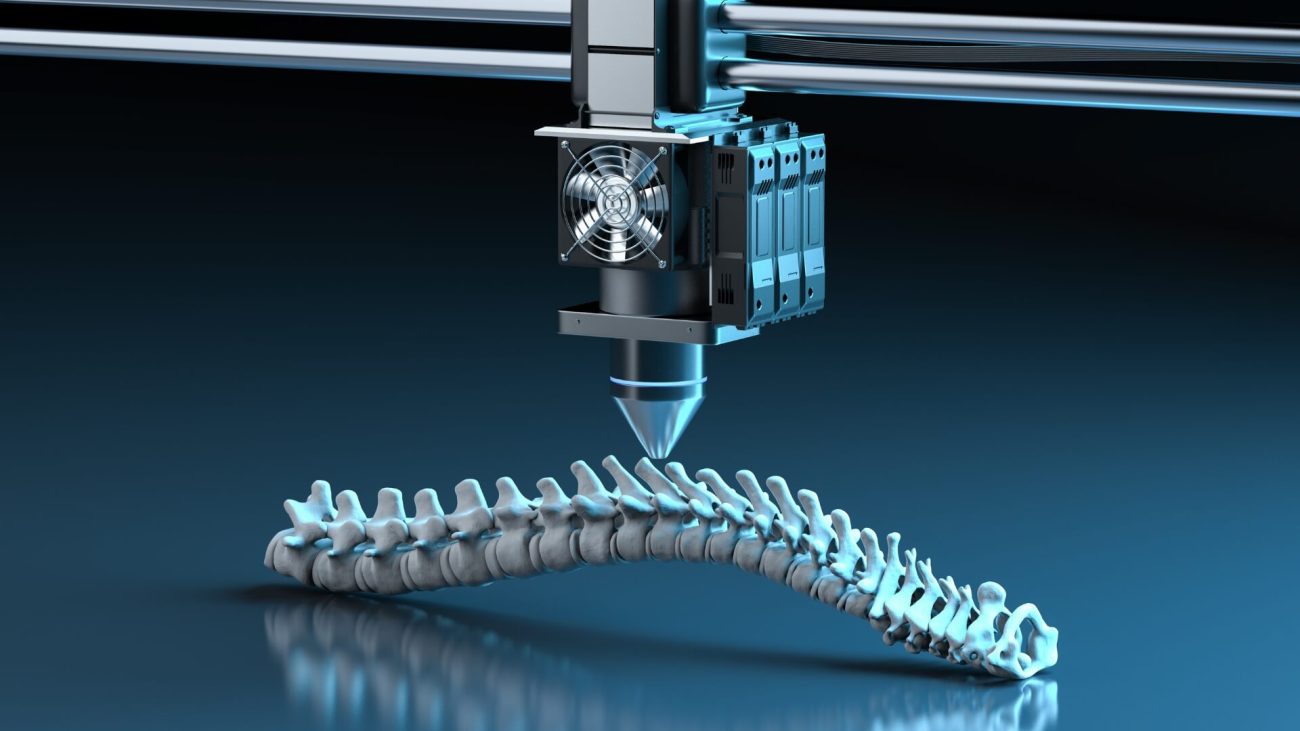
3D printing is a cutting-edge technology used for rapid prototyping. It utilizes an additive manufacturing process to transform 3D CAD designs into physical objects, regardless of their complexity. Whether it's a simple or intricate structure, flat or pipe design, transparent or opaque material, or soft or hard functionality, 3D printing can accommodate various requirements. The material options for 3D printing range from elastomers, resins, and thermoplastics to metals.
Rapid 3D printing is particularly advantageous for creating designs that are not easily machined. It finds extensive applications in industries such as defense and aerospace, automotive and medical, electronics, and household products. This technology allows for the realization of highly demanding specifications and designs, providing innovative solutions for diverse sectors.
-
 Ecology

-
Creativity

-
Materials

Rapid SLA Printing Prototype
SLA Prototyping is one of the earliest 3D printing processes, utilizing a UV curable epoxy resin system. This automated process allows for the construction of intricate and complex structures. It is a cost-effective and speedy method for both rapid prototyping and producing finished products with a smooth and high-quality finish.
The advantages of SLA Printing are manifold. The parts produced are commonly used as master patterns for transferring designs to urethane castings. Additionally, SLA Printing finds applications in creating mockups, concept models, appearance models, presentation prototypes, and toy prototypes. With its versatility and ability to create detailed and refined parts, SLA Prototyping is a valuable tool in the product development process.

Rapid SLS Printing Prototype
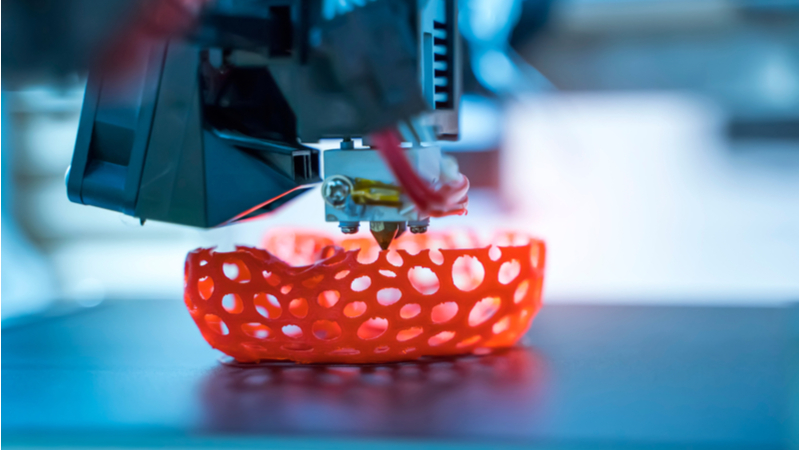
SLS printing is an additive manufacturing process that fuses powdered materials together using a high-power laser to build workpieces in layers. It is used for plastic or metal parts, particularly for functional prototypes and performance evaluation due to their strength, chemical resistance, and pressure flexibility. However, SLS prototypes have a rough surface finish, making them unsuitable for appearance checking. On the other hand, SLA printing with epoxy resin materials offers high accuracy but is more fragile. Overall, both processes serve different purposes based on requirements such as accuracy, strength, and surface finish.
Mold Making FAQ
Our finished works